

When to Repair or Replace Your Water Heater
Water Heater Repair vs Replacement: Key Signs & Costs
Deciding whether to fix or replace your water heater doesn’t have to be confusing. This guide breaks down the common warning signs, expected costs, and when replacing makes more sense than repairing. Read through to learn how to protect your hot water supply and avoid unexpected expenses.
What Are the Common Signs Your Water Heater Needs Repair?
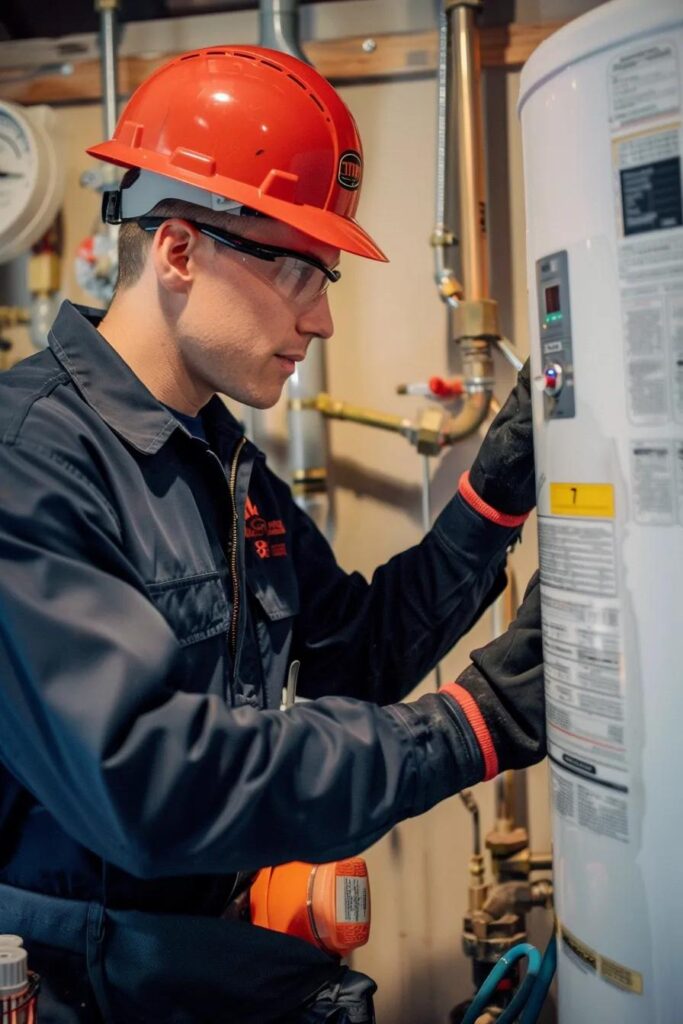
Catch problems early to stop small issues from becoming big headaches. Look for uneven water temperature, odd noises coming from the tank, and small leaks. Fixing these problems quickly often prevents larger repairs or a full replacement down the road.
How Do Inconsistent Water Temperature and Strange Noises Indicate Repair Needs?
When hot water comes and goes, it’s often a thermostat or heating element issue. Fluctuating temperatures usually mean the heater isn’t regulating heat correctly. Popping, rumbling, or banging noises point to sediment buildup in the tank — sediment makes the unit work harder and can cause overheating. Flushing the tank once a year and routine checks can reduce these problems and extend the unit’s life.
What Minor Leaks and Pressure Relief Valve Issues Should You Watch For?
Even small drips around the base or from the pressure relief valve shouldn’t be ignored. A persistent leak can lead to water damage and higher repair bills. The pressure relief valve keeps the tank from over-pressurizing, so if it’s leaking or stuck, call a pro—it’s a safety concern. Regular inspections help catch valve and fitting issues before they worsen.
When Is It Time to Replace Your Water Heater? Key Indicators to Consider
Knowing when to replace a water heater keeps you from getting caught without hot water. Key signs include the unit’s age, visible tank leaks, and repeated breakdowns. Those clues help you decide whether repair is worth it or if replacement is the smarter, long-term move. signs water heater needs immediate attention.
How Does Water Heater Age Affect Replacement Decisions?
Age matters. Conventional tank water heaters usually last 8 to 12 years; tankless systems can run 20 years or more with proper care. Older units become less efficient and more likely to fail, so if your heater is near the end of its expected life, replacement is often the most cost-effective choice.
What Are the Signs of Tank Leaks, Rusty Water, and Frequent Breakdowns?
Water pooling around the base usually means internal corrosion and a tank on its way out. Rusty or discolored hot water also signals internal rusting that can lead to leaks and poor water quality. If you’re calling for repairs again and again, it’s a strong signal to replace the unit rather than pour money into repeated fixes.
How Long Do Different Types of Water Heaters Last? Understanding Lifespan and Efficiency
Different water heaters have different lifespans and efficiency levels. Knowing how long each type typically lasts helps you weigh repair costs against replacement benefits.
What Is the Average Lifespan of Traditional Tank vs. Tankless Water Heaters?
Standard tank water heaters generally last 8 to 12 years. Tankless models, when maintained, can go 20 years or more. Tankless units cost more up front but often make up for it with longer life and better energy use, especially if your household needs hot water frequently.
How Do Heat Pump Water Heaters Compare in Longevity and Energy Use?
Heat pump water heaters tend to last 10 to 15 years and are known for strong energy efficiency. They move heat from the air or ground into the water, which uses less electricity than conventional electric heaters. The initial price may be higher, but the energy savings over time can justify the investment—especially if you’re aiming to lower utility bills and your carbon footprint.
What Are the Costs Involved in Water Heater Repair vs. Replacement?
Costs vary based on the problem and the system type. Repairs can be affordable or add up quickly, while replacement has a higher upfront cost but fewer surprises later. Below are typical ranges to help you plan. Plumbing services are available to assist with any issues you may encounter.
How Do Repair Costs Vary by Issue and Water Heater Type?
Minor repairs usually run between $150 and $500 depending on parts and labor. Replacing a thermostat might fall in the $150–$250 range; fixing a leak can be pricier if it requires significant labor or tank work. Tankless systems often need specialized parts and expertise, which can increase repair costs.
What Are the Typical Replacement Costs for Tank and Tankless Systems?
Replacing a traditional tank unit typically costs $800 to $1,500 installed. Tankless systems generally run $1,200 to $3,000 installed. While tankless heaters have higher upfront costs, their energy savings and longer life can make them cost-effective over time.
How Can Proactive Water Heater Replacement Save You Money and Stress?
Replacing a water heater before it fails can avoid emergency service fees, reduce the chance of home water damage, and give you time to choose the right model. Planned replacement is less stressful and usually cheaper than emergency fixes.
What Are the Benefits of Replacing Before Failure Occurs?
Swapping an aging unit out on your schedule can prevent costly emergency repairs and water damage. A new, efficient heater also lowers monthly energy bills and delivers more reliable hot water. Planning ahead gives you time to compare options and pick the right size and type for your home.
How Does Energy Efficiency Impact Long-Term Savings?
Newer water heaters use less energy for the same performance, so they save money over time. Energy-efficient models reduce monthly utility bills and can pay back part of their cost through lower operating expenses. Over the unit’s lifetime, those savings add up.
Research also recommends looking at lifetime costs—purchase, installation, maintenance, repairs, and operation—when choosing the most cost-effective water heater for your home.
Water Heater Lifetime Costs & Cost-Effective Options
This analysis looks beyond sticker price to include installation, maintenance, repair, and operating costs over a unit’s lifetime. For many U.S. single-family homes that install gas furnaces and storage water heaters, pairing a condensing or power-vent water heater with a condensing furnace came out as the most cost-effective choice in this study.
Economics of residential gas furnaces and water heaters in US new construction market, G Wong-Parodi, 2010
Why Choose Texas Quality Plumbing for Your Water Heater Repair and Replacement Needs?
Choosing a dependable local plumber matters when your hot water is on the line. Texas Quality Plumbing brings experienced technicians and straightforward service to every job.
What Expertise and Services Does Texas Quality Plumbing Offer?
We’re a family-owned team serving Greater Houston since 2007. Our technicians handle both traditional and tankless water heaters—repairs, replacements, and installations—with prompt, professional work. We focus on practical solutions that get your hot water back quickly and keep it reliable.
How Do Financing Options and Maintenance Plans Benefit Houston Homeowners?
We offer financing and maintenance plans to help spread out costs and protect your investment. Regular maintenance keeps units running longer and reduces the chance of surprise breakdowns. With a plan in place, you get peace of mind and fewer emergency calls.
Frequently Asked Questions
What are the environmental impacts of different water heater types?
Some heaters use more energy than others. Traditional tank units keep water hot constantly and generally use more energy, which raises emissions. Tankless and heat pump models are more efficient, cutting energy use and lowering your home’s carbon footprint. Choosing a high-efficiency model helps both your bills and the environment.
How can I maintain my water heater to extend its lifespan?
Simple maintenance goes a long way: flush the tank once a year to remove sediment, check the anode rod for corrosion, and test the pressure relief valve. Keep the thermostat at a moderate setting and schedule a professional inspection every few years. These steps help your unit run smoother and last longer.
What should I do if my water heater is leaking?
If you find a leak, shut off the power (or gas) and the cold-water supply to the heater, then call a plumber. Minor leaks from fittings might be fixed quickly, but tank leaks or large drips usually mean you need professional repair or replacement. Don’t ignore leaks—water damage can get expensive fast.
Are there any rebates or incentives for upgrading to a more efficient water heater?
Yes—many utility companies and government programs offer rebates or incentives for energy-efficient models. Check with your local utility or federal energy programs to see what’s available. Some high-efficiency units may also qualify for tax credits, which can lower the overall upgrade cost.
What are the differences in warranty coverage for various water heater types?
Warranties vary by manufacturer and model. Tank water heaters often have 6–12 year warranties, while tankless models commonly offer longer coverage—sometimes 15 years or more. Heat pump water heaters may have warranties comparable to tankless units. Always review warranty terms and any requirements for proper installation and maintenance.
How can I choose the right size water heater for my home?
For tank models, check the first-hour rating (FHR) to know how much hot water the unit delivers in an hour. For tankless units, look at the gallons-per-minute (GPM) flow rate. Consider how many people live in your home, peak usage times, and appliances that use hot water when picking the right size.
Conclusion
Knowing when to repair or replace your water heater keeps your home comfortable and helps avoid costly emergencies. Watch for the signs outlined here, factor in age and efficiency, and plan ahead so you can choose the best option for your budget. If you want help deciding or need fast, local service, reach out to Texas Quality Plumbing—we’ll walk you through the best solution for your home.