

Ensure Efficiency: Water Heater Flush Service Explained
Houston Water Heater Flush Service: Improve Performance & Save Energy
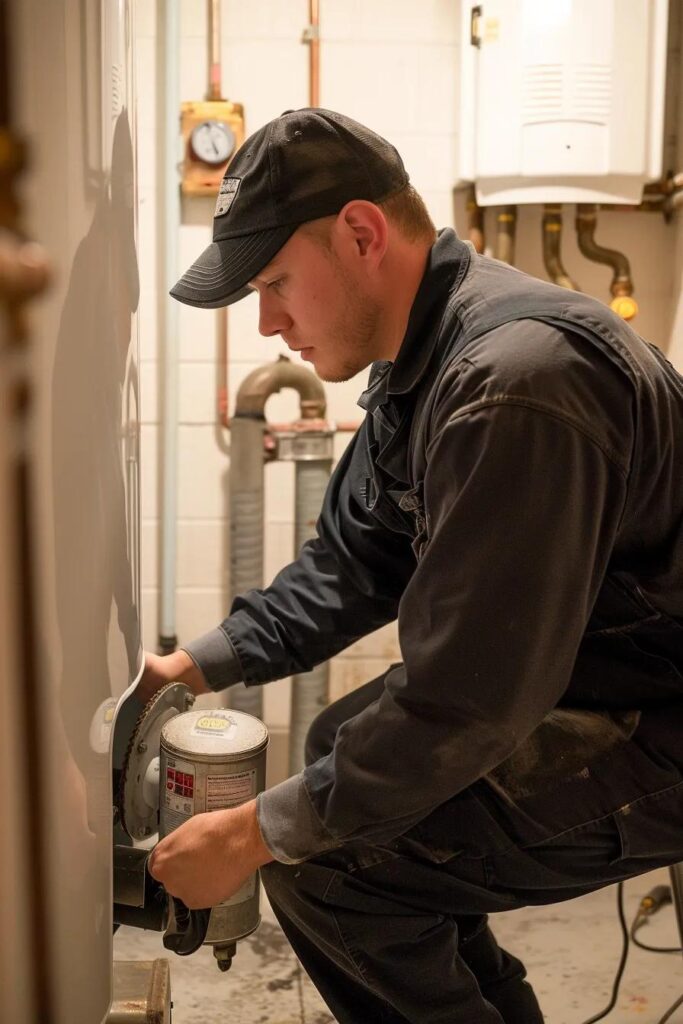
At Texas Quality Plumbing, a water heater flush is a routine maintenance service that removes sediment and mineral buildup from tank-style heaters to restore heat transfer and stabilize hot water delivery. Regular flushing helps your heater run more efficiently, lasts longer, and avoids many common failures. Sediment from hard water and suspended particles settles on elements and the tank bottom, creating an insulating layer that forces the unit to run longer. This guide explains how flushing works, the signs a flush is overdue, what a professional service includes, how DIY compares, cost factors, and the benefits of our maintenance plan. Read on for clear, practical guidance so Houston homeowners can keep their water heaters reliable and efficient.
Studies show water hardness has a direct effect on water heaters energy use and overall efficiency.
Water Hardness Impact on Water Heater Efficiency & Power Consumption
Poor domestic water quality can reduce the efficiency of hot water appliances. The Eskom Research, Testing, and Development Business Unit studied total water hardness to see how it affects the power consumption of electrical geyser heating elements.
Impact of water hardness on energy consumption of geyser heating elements, 2017
Why regular water heater flushing matters
Flushing removes built-up sediment and mineral scale from the tank and related parts to restore efficient heat transfer, lower energy use, and prevent premature failures. Sediment creates a thermal barrier between the heating element and the water, which lengthens heating cycles and increases energy use. Regular flushing reduces those problems, improves hot water consistency, and lowers the chance of leaks or element burnout. Below are the main performance benefits so you can see why scheduled flushing pays off for comfort and cost control.
Key performance benefits of regular flushing:
- Improved energy efficiency — restored heat transfer and shorter run cycles.
- Longer water heater life — less abrasive sediment and slower corrosion.
- Better water quality — reduced discoloration, odors, and particulates at fixtures.
- Lower risk of element failure and emergency repairs from blocked components.
These gains translate into measurable savings and fewer unexpected repairs, making routine flushing a smart part of home upkeep.
Sediment removal affects efficiency, lifespan, and water quality in distinct ways; the table below summarizes the typical results you can expect. For more information, you can refer to our all services.
| Benefit | How it is achieved | Typical effect |
|---|---|---|
| Energy efficiency | Remove insulating sediment from heating elements and tank bottom | Shorter heating cycles; single-service efficiency gains often around 10–15% |
| Lifespan extension | Reduce corrosion and abrasive wear on the tank and components | Slower degradation of elements and tank floor; fewer premature replacements |
| Water quality | Clear out particulate and reduce rust/odor sources | Cleaner hot water with less metallic taste or discoloration |
| Consistent hot water output | Restore usable tank capacity by removing settled solids | Longer, more reliable hot water during peak use |
This comparison shows why flushing is a core preventative task and helps homeowners decide when to schedule service.
How sediment removal helps efficiency and extends life
Clearing sediment restores conductive heat transfer between the heating element or burner and the water, so the heater reaches set temperatures faster and uses less energy. With less thermal stress, thermostats and elements work more smoothly and last longer. Removing abrasive particles also prevents localized overheating and metal fatigue at the tank bottom and around elements, which slows corrosion and lowers the chance of leaks or element failure. Routine flushing is a cost-effective preventive step; for heavy mineral scale, professional descaling may be needed to fully restore performance.
When descaling is the right call
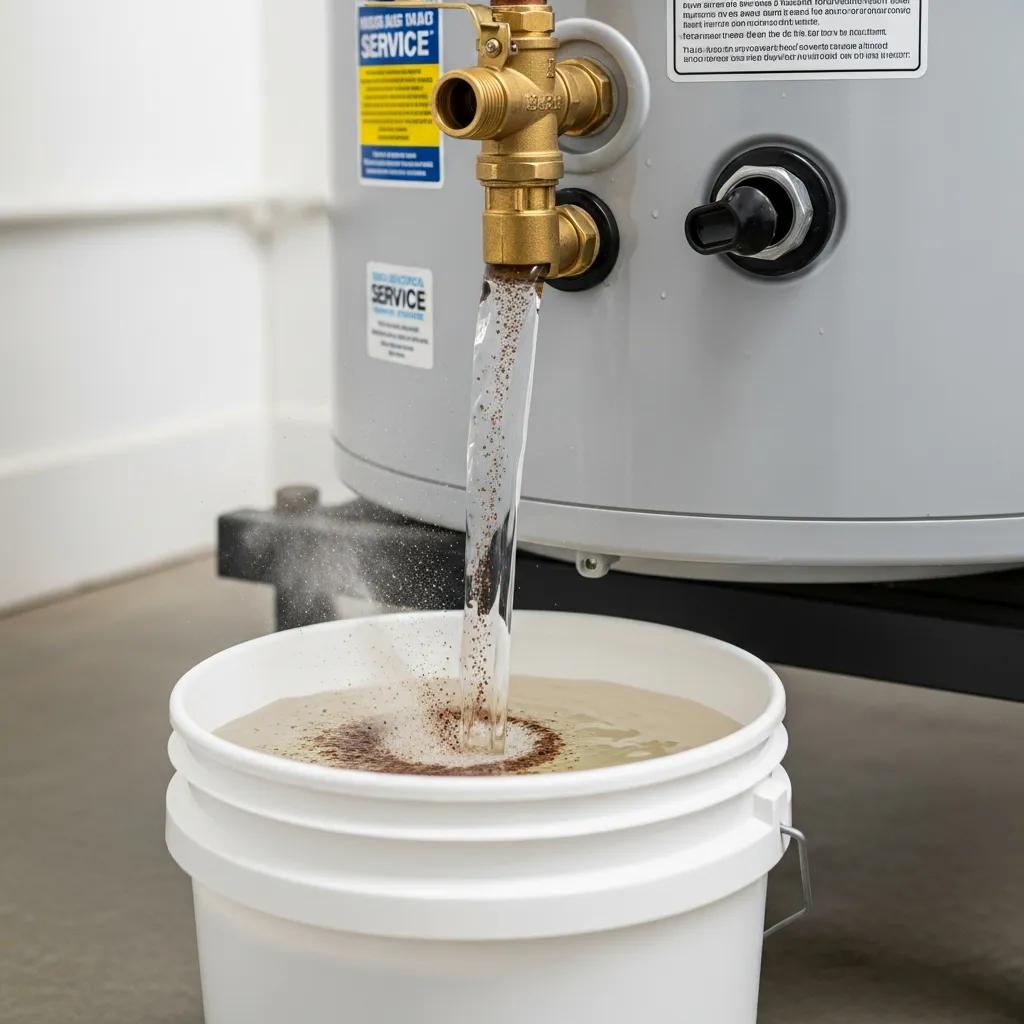
Descaling is a deeper treatment for mineral deposits that a standard flush might not remove. Technicians use mechanical agitation or approved chemical treatments to dissolve scale while protecting the tank lining and components. Pros assess scale severity and choose the safest, most effective method—balancing performance gains with warranty and safety concerns. Descaling can restore lost capacity and efficiency where heavy buildup exists, and technicians document the work to help with warranty records and future maintenance decisions.
Common signs your water heater needs a flush
You can often tell when a flush is needed by listening, looking, and checking performance. Loud popping or rumbling is a classic sign of steam pockets forming under sediment. Brown or discolored hot water and visible particles at the tap point to corrosion or suspended sediment. Shorter hot showers or faster temperature drop under load mean the usable tank volume is reduced. The list below highlights the top signs water heater needs immediate repair to watch for before calling for service.
Common signs your water heater needs flushing:
- Popping, rumbling, or knocking during heating cycles.
- Brown, discolored, or particulate-heavy hot water at fixtures.
- Shorter hot showers or rapid temperature drop under load.
- Persistent sulfur or metallic odors from hot water taps.
Spotting these symptoms helps you decide whether a simple flush or a deeper inspection and descaling are needed.
How noises, discoloration, and reduced hot water point to sediment buildup
Popping or rumbling happens when trapped water under sediment flashes to steam and forces its way through solids. Discolored water is usually rust or sediment being stirred up during flow, which suggests corrosion or heavy particulate accumulation. Reduced hot water comes from reduced usable tank capacity when solids settle on the bottom, forcing the heater to run more often and lengthening recovery time. Simple checks—listen during heating cycles, run cold then hot to see discoloration, and time a shower—give you quick clues to prepare for technician inspection.
When Houston homeowners should schedule maintenance
As a rule, schedule a flush at least once a year for conventional tank water heaters. If you live in a hard-water area or have heavy hot water use, consider every six months. Houston’s water quality can accelerate mineral buildup, so adjust frequency based on observed symptoms and household demand. Combine flushing with anode rod and pressure relief valve checks for a fuller preventive service. Proactive scheduling prevents gradual efficiency loss and corrosion that lead to emergency failures—so book service early if you notice warning signs.
How Texas Quality Plumbing performs a professional water heater flush
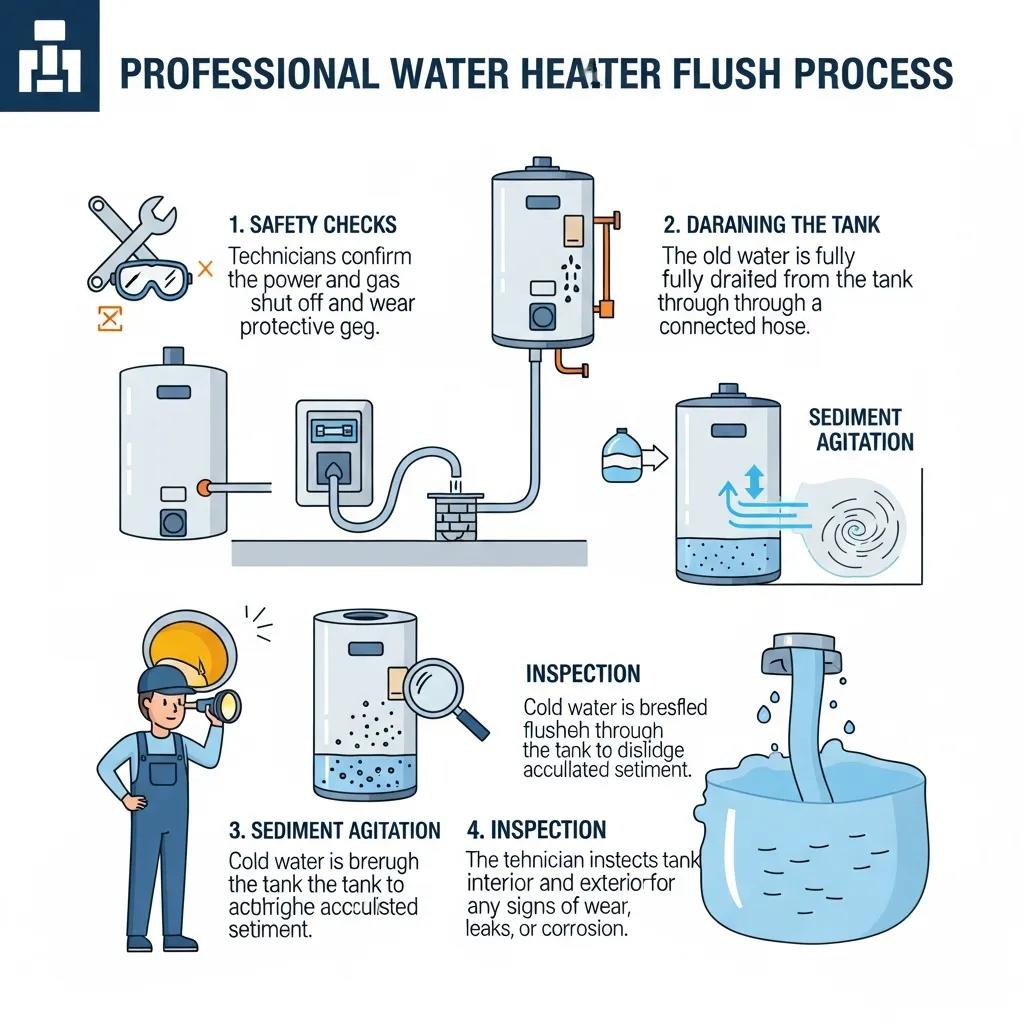
Our professional flush follows a clear safety-first workflow: isolate power or gas, confirm the system is cool, inspect valves, drain and agitate the tank to remove sediment, then inspect components and test operation. We use controlled refilling and air purging to restore the system and verify there are no leaks. The steps below outline what you can expect when you choose our team for flushing.
- Turn off power/gas and perform safety checks to prevent scalding or ignition.
- Drain the tank and agitate or backflush to remove settled sediments and particulates.
- Inspect heating elements, the anode rod, and valves for wear or damage.
- Refill, purge air, restore power/gas, and verify proper operation with no leaks.
This method protects performance and warranty coverage while returning your heater to reliable operation.
Each step serves a specific purpose. The table below links each procedure to its protective or restorative function so you know why technicians take each action.
| Process Step | Step Number | Purpose |
|---|---|---|
| Safety isolation (power/gas off) | 1 | Prevent scalding and electrical or gas hazards during service |
| Drain tank | 2 | Remove bulk sediment and lower in-tank solids for efficient flushing |
| Agitation / backflush | 3 | Dislodge settled particles that cling to the tank bottom and elements |
| Component inspection | 4 | Spot worn elements, check the anode rod, and confirm valve integrity |
| Refill and test | 5 | Restore the system, purge trapped air, and validate heat performance and leak-free operation |
After the service, you’ll receive a written report documenting findings and any recommended follow-up—useful for warranty records and future planning.
We follow a consistent checklist and safety protocol. Expect trained technicians, professional tools, clear communication on arrival, and a documented summary when the job is done. That transparency helps homeowners understand immediate results and long-term recommendations while protecting warranty conditions and system performance.
Step-by-step procedures for effective sediment removal
Effective removal starts with cooling and isolation, followed by controlled draining to avoid flooding. Technicians attach hoses to route discharge safely, then agitate the tank or use flushing valves to mobilize stubborn sediments; for heavy scale, targeted descaling is considered. After flushing, we inspect element and burner areas, test thermostatic controls, and evaluate the anode rod for replacement if needed. Methodical work and documentation reduce the chance of repeat buildup and give homeowners a clear maintenance record.
How professional flushing supports your warranty
Many manufacturers require documented, professional maintenance to keep warranty terms valid—especially for corrosion and component claims. A written service record showing work performed and inspection findings proves you followed recommended maintenance intervals. Professionals also avoid common DIY mistakes—like overtightening valves or using unsuitable chemicals—that can void warranties. Keeping scheduled professional maintenance and saving invoices helps protect both the equipment and your warranty coverage.
Professional flushing vs. DIY: what to expect
Professional flushing offers consistent safety protocols, thorough sediment removal, and documented results. DIY flushing can help for light sediment but often misses trapped solids and carries higher risk of mistakes that cause damage or safety issues. Professionals bring tools and techniques—backflushing, safe descaling options, and proper handling of gas and electrical isolation—that maximize results without harming components. The short comparison below makes the differences clear.
- Safety: Professionals follow strict isolation procedures; DIYers risk scalding, flooding, or electrical/gas hazards.
- Effectiveness: Pro flushing is more thorough and reliable; DIY efforts can be incomplete.
- Warranty impact: Professional service provides documented records; DIY attempts may not meet manufacturer requirements.
For most homeowners, professional service delivers better long-term value, especially when warranty preservation and complete sediment removal matter.
Risks and limits of DIY flushing
DIY flushing may clear light sediment, but it often fails on heavy scale or trapped solids and won’t reveal component wear that professionals catch. Common mistakes include incomplete draining, not fully isolating power/gas, poor hose routing that risks property damage, and failure to inspect valves or the anode rod. Those issues can lead to repeat service calls or accidental damage that shortens equipment life and raises long-term costs. If DIY efforts leave persistent symptoms—noises, discoloration, or rapid loss of hot water—call a professional for a thorough inspection.
Why Texas Quality Plumbing is a good choice
We’re a family-owned company serving Greater Houston with full-service plumbing, including professional water heater maintenance and flushing. Our technicians are trained, we prioritize safety and clear communication, and our Maintenance Plan simplifies recurring care. Members receive a 15 percent discount on services and priority scheduling, plus organized records that help with warranty claims. Choosing a local, family-operated provider gets you timely service and a personal touch—backed by written reports after each visit.
Costs and maintenance plan benefits in Houston
Flushing costs vary by tank type, size, accessibility, and how much sediment or scale is present. Tanked heaters are generally quicker to service than tankless units that need specialized descaling. Deep descaling or parts replacement add time and materials. The list below shows the main cost drivers to help you compare quotes accurately.
Common cost drivers for water heater flushing:
- Tank type and size (larger tanks take longer to drain and refill).
- Sediment severity and whether chemical descaling or mechanical agitation is required.
- Unit accessibility and time needed to safely isolate, drain, and restore.
- Additional repairs found during inspection (valves, anode rod, heating elements).
The table below links common service types to the factors that affect price so you can see why estimates differ.
| Service Type | Attribute | Typical Range / Note |
|---|---|---|
| Standard tank flush | Tank size, sediment level | Mostly labor; quicker for light buildup |
| Deep descaling | Mineral scale severity, chemical use | More time and materials; for heavy scale |
| Tankless descaling | Access, scale accumulation | Often more labor-intensive and specialized |
| Component repairs | Element/anode replacement, valve repair | Adds parts and labor; often found during inspection |
Our Maintenance Plan offers a practical way to handle ongoing care—members get a 15 percent discount on services (including flushes), simpler scheduling, priority service, and consolidated records that support warranty claims. Regular preventive work typically lowers lifetime costs by catching small problems before they become major repairs. For accurate budgeting, request a site-specific estimate that reflects tank condition and access so potential repairs are included.
How much does a professional water heater flush cost in Houston?
Cost depends on tank type, sediment level, and any access or repair complications found on site. Because each home differs, price ranges are approximate rather than fixed. Tanked systems with light buildup usually need less labor and materials; heavy sediment, descaling, or parts replacements add to time and cost. When comparing quotes, ask for itemized details for labor, materials, and likely add-ons (like anode rod replacement) so you can compare true scope. Preventive inspections and flushes generally reduce emergency repairs and lower lifetime expenses versus waiting until a failure occurs.
Maintenance plan discounts and advantages
Our Maintenance Plan gives members a 15 percent discount on service and work, including water heater flushes, making regular maintenance more affordable and predictable. Beyond savings, the plan simplifies scheduling, stores service records for warranty support, and helps catch small issues early—like a weakened anode rod or failing valve—before they become costly problems. For homeowners who want steady cost control and prioritized service, the plan is a practical choice to keep systems running efficiently longer.
Frequently Asked Questions
What is the difference between a water heater flush and descaling?
A flush drains the tank and removes loose sediment to improve efficiency and water quality. Descaling is more intensive and targets mineral scale that a flush won’t remove, often using approved chemicals or mechanical methods. Flushing is routine maintenance; descaling is for heavier mineral buildup and is usually done by professionals.
How can I tell if my water heater needs professional service?
Look for signs like popping or rumbling noises, rusty or discolored hot water, noticeably less hot water, persistent smells (like sulfur), or any leaks. These symptoms mean it’s time for a professional inspection to avoid bigger repairs later.
Are there any DIY methods for maintaining my water heater?
Homeowners can do light maintenance—like a basic flush—but DIY has limits. Heavy scale, trapped solids, and worn components usually need a professional. Incorrect procedures can also cause safety issues or damage. For a thorough inspection and long-term results, call a licensed plumber.
What should I expect during a professional water heater flush service?
Technicians will perform safety checks (power/gas off), drain and agitate the tank to remove buildup, inspect key components like elements and the anode rod, then refill, purge air, restore power, and test the system. You’ll get a written report with findings and recommendations.
How does water hardness affect my water heater's performance?
Hard water contains minerals like calcium and magnesium that form scale inside the tank. Scale acts like insulation, reducing heat transfer and making the heater work harder, which increases energy use and speeds up wear. Regular flushing helps reduce these effects and maintain performance.
What are the long-term benefits of enrolling in a maintenance plan?
A maintenance plan saves money through service discounts, gives priority scheduling, and provides regular inspections that catch small issues early. It also keeps documented records that support warranty claims and help your water heater run efficiently for longer.
Can flushing my water heater save me money on energy bills?
Yes. Removing sediment restores heat transfer, so the heater runs less to reach temperature. Homeowners commonly see energy improvements in the 10–15% range after a professional flush, which lowers operating costs over time.
How often should you flush your water heater?
Flush conventional tank water heaters at least once a year. If you live in a hard-water area or have high hot water demand, consider every six months. Check the anode rod and pressure relief valve on the same schedule for a fuller preventive approach. Seasonal checkups—like a spring service before heavy summer use—also help avoid emergency repairs.
Can flushing improve water quality and prevent damage?
Yes. Flushing removes rust and particles that discolor water and cause odors, improving clarity and smell at your taps. It also reduces abrasive and corrosive conditions inside the tank that contribute to element wear and leaks. Regular flushing slows corrosion processes and helps protect manufacturer warranties when performed and documented by a pro.
Conclusion
Regular water heater flushing keeps your system running efficiently, improves water quality, and helps avoid costly repairs. By removing sediment, you extend the life of your heater and lower energy use. Professional service offers safer, more complete results and the documentation manufacturers often require for warranty coverage. Ready to protect your water heater? Schedule a flush with Texas Quality Plumbing and keep your hot water working the way it should.